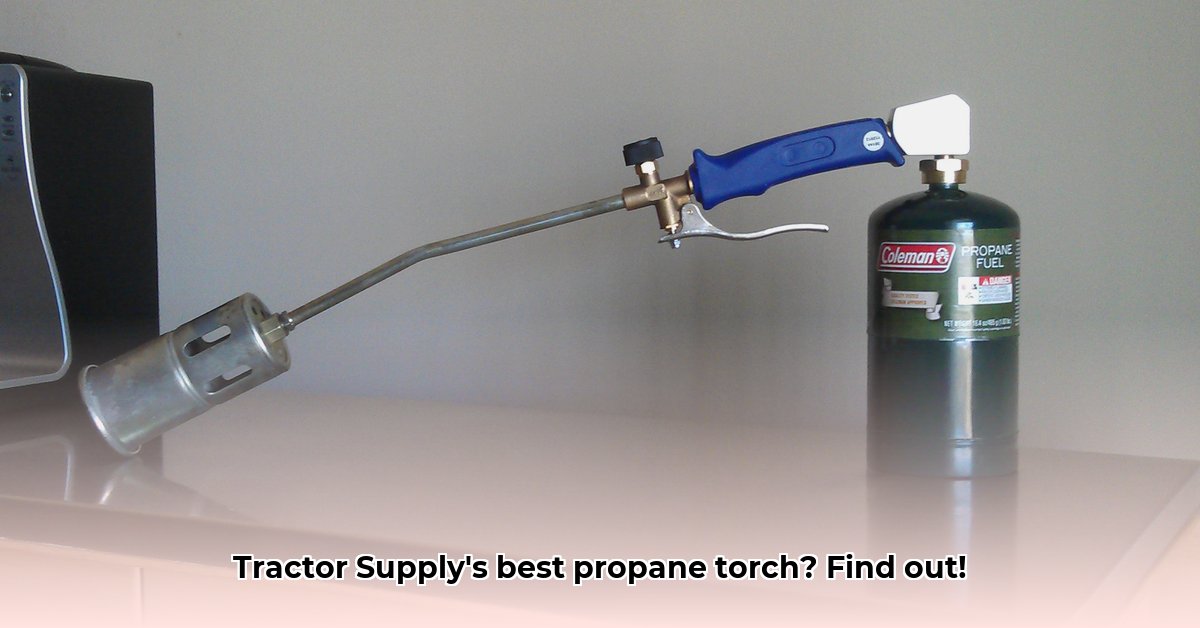
Ready to ditch the chemical weed killers and embrace a more sustainable approach to weed control? A propane torch from Tractor Supply could be the answer. This comprehensive guide will equip you with the knowledge to choose the perfect torch, use it safely and effectively, and even minimize its environmental impact. Let's explore how to conquer weeds the smart way.
Choosing Your Perfect Propane Torch at Tractor Supply
Tractor Supply offers a variety of propane torches, each designed for different needs and gardening scales. Selecting the right one depends on factors like the size of your weeding project, the types of weeds you're tackling, and your comfort level with various sizes and weights. But don't worry, we'll break it down for you!
Key Factors to Consider
BTU (British Thermal Units) Rating: This indicates the flame's heat intensity. Higher BTUs mean a hotter, faster burn, ideal for stubborn weeds. However, a gentler flame might be preferable for delicate areas to prevent scorching. Finding the right balance is key. Do you need a flamethrower to obliterate tough weeds or a precise tool for smaller areas?
Fuel Tank Size: Larger tanks offer longer burn times, reducing interruptions. However, they also increase weight and maneuverability challenges. Consider the scale of your project. Will you be tackling a vast garden or simply spot-treating stubborn weeds?
Safety Features: Prioritize safety features like ergonomic handles for comfortable grip, reliable safety locks to prevent accidental ignition, and spark arrestors to minimize fire risk. Is your safety paramount when choosing a tool, or do other factors outweigh this consideration?
Size and Weight: A heavy-duty torch is best suited for large-scale projects, while a lighter, smaller model is more suitable for intricate weeding and maneuverability in confined spaces. How important is ease of use versus power and efficiency?
Sample Models and Comparison (Note: These are examples; check Tractor Supply for current models and specifications)
| Model Name | BTU Rating (Approximate) | Tank Size (oz) | Weight (lbs) (Approximate) | Key Safety Features | Pros | Cons |
|---|---|---|---|---|---|---|
| MightyBurn 5000 | 5000 | 16 | 2.5 | Safety lock, ergonomic handle | Powerful, efficient for large areas | Can be heavy to maneuver, shorter burn time |
| WeedWizard 3000 | 3000 | 10 | 1.5 | Safety lock, spark arrestor | Lightweight, easy to handle for detail work | Less powerful, needs more passes for tough weeds |
| FlameMaster Pro | 4000 | 20 | 3 | Safety lock, ergonomic handle, spark arrestor | Good balance of power and maneuverability | Slightly heavier than WeedWizard |
Mastering Propane Torch Weed Control: A Step-by-Step Guide
Safety should always be your top priority. Treat propane torch use like any other serious task; don't approach it casually. Careful preparation and meticulous execution are essential.
Preparation: Dress appropriately. Wear long sleeves, sturdy gloves, eye protection (safety glasses or goggles), and closed-toe shoes. Clear the area of any dry materials to prevent accidental fires. Remember, safety is paramount!
Lighting the Torch: Follow the manufacturer's instructions precisely. Each model has its unique lighting procedure.
Weed Elimination: Keep the flame in constant motion, focusing on the base of the weeds. Avoid prolonged exposure in one area to prevent scorching. Work systematically to ensure complete coverage.
Extinguishing the Flame: Turn off the gas supply before extinguishing the flame. Allow the torch to cool completely before storing.
Storage: Store the torch in a dry, well-ventilated area, away from children and pets.
Environmental Considerations: Minimizing Your Impact
While propane torches provide a chemical-free alternative, they aren't entirely emission-free. Combustion releases greenhouse gases. However, responsible use can significantly minimize the environmental impact.
Choose Calm Days: Avoid windy conditions to prevent the spread of embers and maximize efficiency.
Prioritize Efficiency: Larger, more efficient torches typically require less propane per acre, reducing emissions overall. A larger torch might be more economical in the long run.
Explore Alternatives: Consider exploring alternative weed control methods for smaller areas, such as manual weeding or solarization, to reduce your reliance on propane.
Maintenance and Upkeep: Keeping Your Torch in Top Shape
Regular maintenance is crucial for longevity and safety.
Cleaning: Clean the nozzle after each use to prevent clogging.
Leak Checks: Regularly inspect hoses and connections for leaks.
Part Replacement: Replace worn parts promptly.
Conclusion: Making the Right Choice for Your Needs
The best propane torch for you depends on your specific needs and gardening scale. Evaluate the pros and cons of each model, considering the size of your property, the types of weeds you're combating, and your personal preferences. Responsible use is paramount to maximize effectiveness and minimize the environmental impact.